
The stacked wild max win sits front and centre on any session where the paytable lines up just right, and the first thing I look at as managing director of Independent Gaming Pty Ltd is whether the path to that outcome is clear on a phone screen. I have spent years weighing supplier strategy against commercial reality, and I can tell you that a feature only matters if a player can reach it without fighting the interface. That is the lens we apply when we assess a title before it ever touches a floor or a browser tab.
The walkthrough is straightforward enough. You land on the lobby, pick a game, and start a spin. The stacked wild symbol drops across adjacent reels, pays stretch across paylines, and the total can climb quickly if the base symbols sit nearby. What separates a decent run from a memorable one is how the game handles that moment on a handset. Touch targets need to stay generous, the balance and bet controls should sit where a thumb naturally rests, and the paytable should open without a long load. We test that on real devices, not just on a desktop window, because a stacked wild max win is only useful if the player can actually see it, confirm it, and keep playing without the screen going sideways.
For a Brisbane regular spinning during a lunch break or a late arvo session, the practical test is simple: does the game stay readable on a smaller screen, and does the feature pay out in a way that feels honest rather than gimmicky? I have sat through enough supplier pitches to know that a flashy paytable means little if the mobile layout fights the player. The best implementations keep the reels clear, the controls steady, and the feature triggers easy to follow. That is the standard we hold when we weigh a title for commercial rollout, and it is the standard a player should use when they are judging a session for themselves.
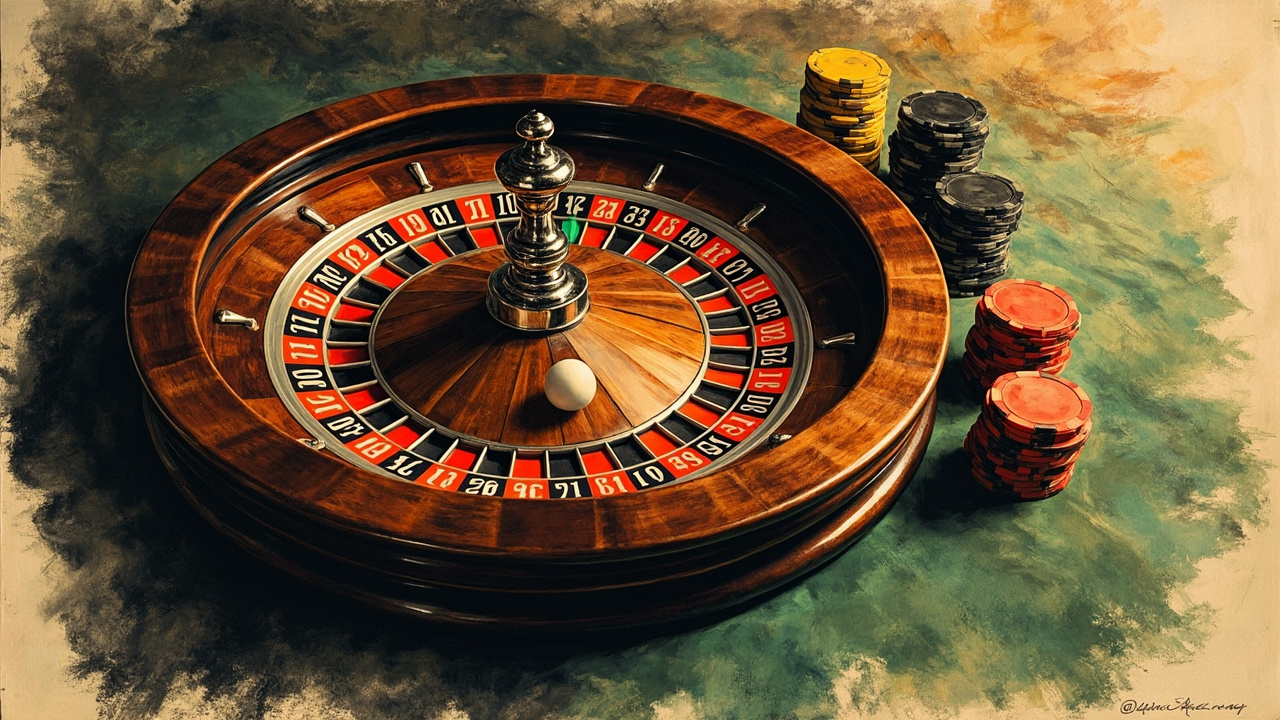
A stacked wild max win usually arrives in a feature or a base-game moment where multiple wild symbols stack across consecutive reels. The paytable then multiplies those symbols across active lines, and the total can climb well past a standard single-line hit. The practical question is whether the game shows that total clearly, whether the animation keeps the numbers legible, and whether the player can adjust the bet without losing their place. On a phone, that means the win overlay should not bury the balance, the bet controls should stay reachable, and the paytable should open fast enough that you are not squinting at a half-loaded screen.
I have reviewed enough supplier builds to know that the difference between a polished session and a frustrating one often comes down to small layout choices. A game that hides the bet stepper behind a tight menu, or that animates the win so heavily that the total blurs, is asking the player to do extra work. That is the kind of detail we flag in commercial oversight, because it changes how often a feature is enjoyed rather than just how often it appears. A stacked wild max win should feel like a clear moment, not a puzzle.
There is also the rhythm of play to think about. A lot of people are playing around work hours, a commute, or a quiet stretch in the evening, and the session needs to fit that rhythm without demanding constant attention. The controls should be steady, the spin this one button should respond the same way each time, and the feature should not reset the layout in a way that leaves you hunting for the bet controls. When those pieces line up, the stacked wild max win becomes a moment you can actually enjoy rather than a moment you have to recover from.

Before you commit to a session, the sensible checks are practical rather than promotional. Look at the paytable, read how the wild symbol behaves, and note whether the max win is capped by the game design or by the bet level you choose. Check the mobile layout on the device you actually use, because a title that looks tidy on a desktop can feel cramped on a handset. We apply the same scrutiny when we assess a supplier for commercial fit, and I have learned that a clean paytable and a steady control layout matter more than a loud feature name.
It helps to think about the session in plain terms. Set a bet size that fits your budget, not your excitement, and keep an eye on the balance rather than the highlight reel. A stacked wild max win can look impressive on a screen, but the useful question is whether the game remains readable and whether the controls stay where you expect them. If the paytable is buried, the win overlay is hard to read, or the bet controls disappear when the feature starts, that is a layout problem, not a lucky moment.
I have seen enough pitches where the marketing language runs ahead of the actual experience, and that is where a managing-director view earns its keep. The commercial question is whether the game holds up when a player is using it on a phone in a busy room, on a train, or during a short break. If the answer is yes, the title has a real shot at staying in favour. If the answer is no, no amount of feature talk fixes the underlying issue. That is the kind of judgement call we make before we put any title in front of a player.
The clearest sessions are the ones where the screen tells you what you need without extra noise. A stacked wild max win should show the total in a way you can read at a glance, the paytable should explain the wild behaviour without a long detour, and the bet controls should stay consistent before and during the feature. On mobile, that means the layout should respect the screen size, the text should stay legible, and the win moment should not push the balance off the visible area. Those are small things, but they are the things that decide whether a session feels smooth or fiddly.
There is a broader point here about how we assess games commercially. I have spent enough time around supplier strategy to know that a feature only earns its place if it survives everyday use. A title that looks strong in a demo can feel different on a phone in a busy arvo, and that is the test that matters. We look at responsiveness, navigation, and the way the win moment is presented, because those details shape whether a player keeps coming back or moves on. A stacked wild max win is only as good as the screen that carries it.
It is also worth keeping the session in perspective. The feature can be exciting, but the useful habits are the boring ones: know the paytable, check the bet controls, and make sure the layout works on the device you are holding. If the game passes those checks, you can enjoy the moment without fighting the interface. If it does not, the smart move is to move on rather than pretend the problem is your luck. That is the practical standard I apply when I am weighing a title for commercial rollout, and it is a fair standard for a player too.insights in thepokies.net review Goldcoastbulletin
It usually means a moment where wild symbols stack across adjacent reels and pay out across active lines, often producing a total that stands out from a standard hit. The exact behaviour depends on the game design, so the paytable is the place to check how the wild symbol works and whether the feature has any cap. The useful habit is to read that section before you spin, because the moment is only meaningful if you know what the game is actually paying.
Yes, if the game is built with the handset in mind. The controls should sit where your thumb naturally rests, the paytable should open quickly, and the win overlay should keep the total legible. We test that on real devices because a title that looks tidy on a desktop can feel cramped on a phone. If the layout stays readable and the bet controls remain steady, the moment is easier to enjoy.Thedesignfiles
Keep the bet size aligned with your budget and watch the balance rather than the highlight reel. A stacked wild max win can look impressive, but the sensible approach is to treat it as one moment in a longer session, not as a reason to change your habits on the fly. If the layout is clear and the controls are steady, you can enjoy the moment without letting the excitement run ahead of your plan.