Every clothing brand claims to have a story, but few build their entire identity around a single phrase the way HMDD has. The name itself is an acronym — Happy Memories Don’t Die — and it isn’t a marketing afterthought. It’s the reason the brand exists. Understanding what that phrase means, and why it resonates with the people who wear HMDD clothing, requires looking past the hoodies and sweatpants and into the idea that clothing can carry emotional weight the same way a photograph or a song does.
Underneath everything, the saying speaks to endurance despite loss. Recollections dim, people transform, situations shift, but the underlying belief holds that the meaningful moments — the ones responsible for who you turned out to be — don’t disappear just because time moves forward. That’s a heavy concept to hang on a streetwear label, and yet it’s exactly what accounts for why so many customers searching “hmdd review” or “hmddla” leave with the impression that they discovered something more meaningful than a typical apparel purchase.
The abbreviation HMDD spells out Happy Memories Don’t Die, and the phrasing is deliberate in its straightforwardness. Four words, four letters — no punctuation is needed to make sense of it. This style of direct, emotionally-loaded naming has turned more widespread among indie streetwear names over the past several years, but HMDD pushes further into the emotion than most, employing it as a recurring theme across product drops rather than a single-use tagline.
That “hmddla” query originates in the label’s close ties to the streetwear world of Los Angeles, and it’s the quick label fans and shoppers use when searching for the brand online.
Los Angeles has generated a outsized share of impactful streetwear names over the past twenty years, and HMDD belongs within that lineage: tightly limited collections, branding that strikes an emotional chord, and a style sensibility that leans toward comfort and subtlety over flashy branding.
It’s not simply the name that makes the story engaging — it’s how consistently the label applies it. Product descriptions, release titles, and even packaging tend to circle back to the same idea: keep the good things, allow it to ground you. For shoppers who increasingly expect urban tee brands to represent more than just the product, that consistency matters.
Survey any ten HMDD patrons what the phrase holds as meaning in their lives and you’ll probably get ten divergent answers, and that’s by design. For some, it’s about somebody no longer with them. For a different group, it’s more straightforward — an encouragement to savor good moments before they fade into recollection. Part of why the phrase has traveled well beyond the clothing itself is this ambiguous, emotion-first approach, and it shows up in captions, tattoos, and conversations unrelated to any specific product.
Instead of standing as the message’s endpoint, the garment functions as a vessel for that sentiment. That hoodie, with “Happy Memories Don’t Die” stitched or printed across it, isn’t just fabric; to a lot of wearers, it becomes a tangible keepsake. This sentimental pull is part of why HMDD clothing tends to generate repeat customers rather than one-time buyers — buyers keep coming back not just for fresh color options but because the message still means something to them months or years later.
People who search for an “hmdd review” regularly bring up discussion that goes beyond fit and fabric — that’s also why these queries tend to surface deeper commentary. People leaving reviews tend to mention the sentiment behind the brand before they mention construction quality or fit, which is unusual for a streetwear label and is a testament to how effectively the story has been woven into the experience of the product.
HMDD’s catalog centers on everyday essentials rather than complicated silhouettes, and that’s intentional — the idea is that the message should live in pieces people actually wear on repeat, not just special-occasion items. Sweatpants and shorts make up a significant portion of the lineup, and both categories have become the entry point for a lot of new customers discovering the brand for the first time in 2026.
HMDD sweatpants are designed around a relaxed, everyday fit rather than an athletic or slim cut, which aligns with the broader streetwear shift toward comfort-first loungewear that’s been building since the early 2020s and shows no signs of reversing. HMDD shorts follow the same logic — built for warm-weather versatility rather than performance activewear, positioned closer to lifestyle wear than gym gear.
When customers wonder what the best HMDD clothing pieces are, it usually boils down to the function you want the piece to serve. If you want a piece that’s front-and-center with the brand’s message, it’s generally the graphic hoodies and tees that carry the loudest branding. Should you prefer a quieter piece that still reflects the underlying philosophy, it’s generally the sweatpants and shorts with quieter detailing that loyal customers point new buyers toward.
To understand what gives HMDD its edge, it helps to compare its approach against the more common branding strategies common within the streetwear space. The table below maps out some notable contrasts in mindset and product direction.
| Dimension | Standard Streetwear Brand | HMDD |
|---|---|---|
| Central Message | Branding centered on logos, projecting status | Emotional narrative built around memory and loss |
| Product Emphasis | Buzz-driven releases, limited-run hoodies and tees | Daily-wear staples like sweatpants and shorts together with graphic pieces |
| Bond With Customers | Often trend-based, brief interest | Long-term emotional attachment to the phrase and its meaning |
| Geographic Roots | Varies, often unclear | Rooted in LA streetwear culture (hmddla) |
| Repeat Purchase Driver | Fresh releases, buzz cycles | Ongoing emotional pull of the “Happy Memories Don’t Die” message |
None of this is meant to claim one strategy is inherently superior — buzz-based marketing has produced no shortage of successful labels. Yet it does shed light on why HMDD’s growth has taken a different shape. Instead of leaning only on scarcity or logo visibility, the brand has cultivated something closer to a shared following around a shared sentiment, which tends to produce steadier, more loyal demand rather than brief spikes dependent on a single drop.
Emotional branding isn’t new, but the appetite for it has expanded considerably heading into 2026, as a growing number of buyers — especially younger buyers — say they gravitate toward brands with a clear point of view over ones that merely follow fads. HMDD gains an advantage from having laid its groundwork on that kind of genuineness long before it became a competitive necessity rather than a nice-to-have.
There’s also a practical angle: comfort-driven categories like sweatpants and shorts have stayed dominant in casual wardrobes for multiple consecutive years, and that’s unlikely to change soon. By rooting its most-worn products in categories people already reach for daily, HMDD ensures its message is seen again and again rather than being tucked away for rare moments.
The phrase itself has also shown lasting power because it doesn’t depend on a specific trend, meme, or moment — grief, nostalgia, and the wish to keep good memories alive are constants no matter the year. That enduring quality is arguably the brand’s biggest asset going into 2026 and beyond, providing lasting relevance that purely aesthetic streetwear brands often struggle to maintain once trends shift.
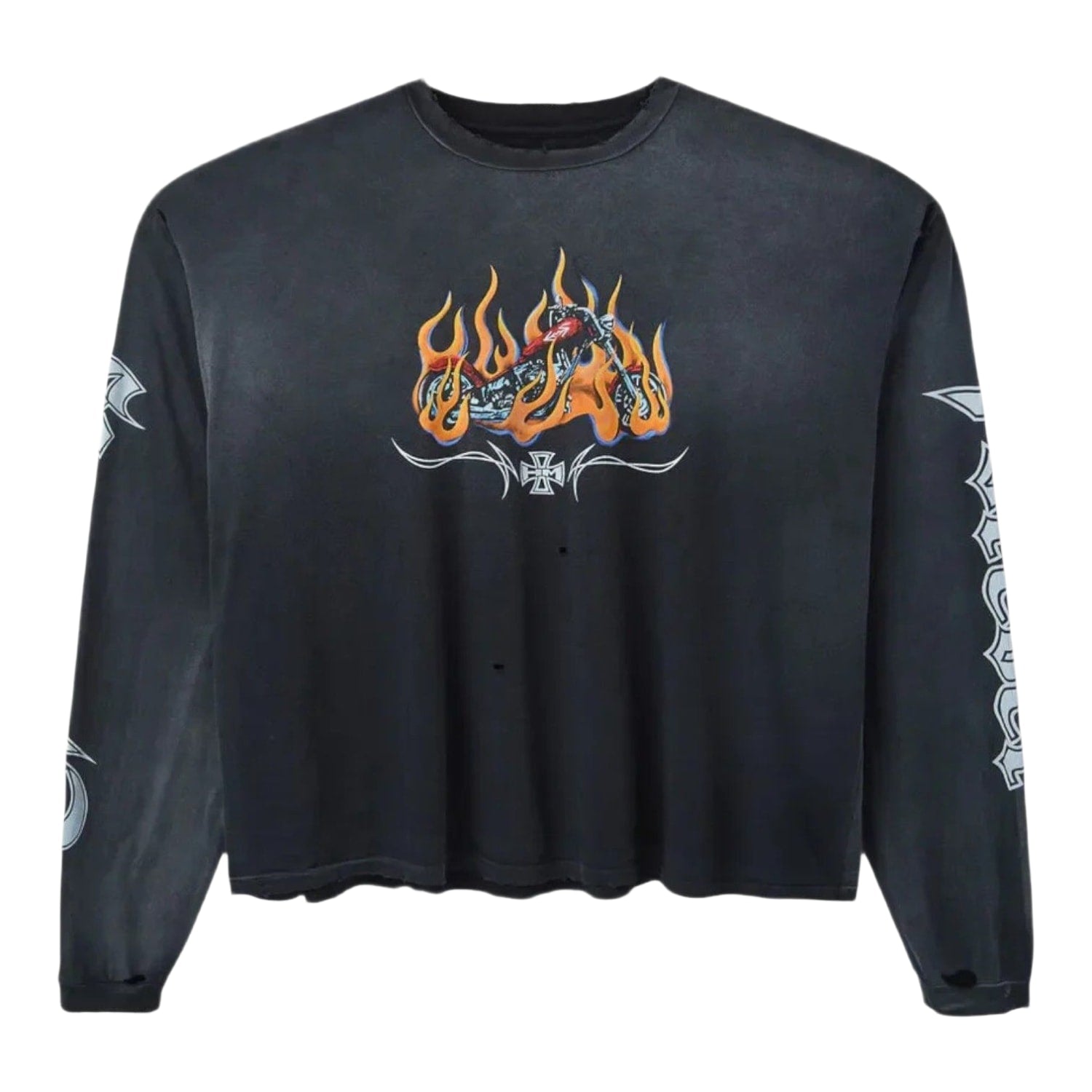
The reason behind HMDD’s backstory that deserves attention isn’t convoluted marketing tactics — it’s the simplicity of the idea and the steadfastness with which the brand has remained true to it. Happy Memories Don’t Die isn’t merely a tagline; it’s a core belief built into everyday pieces like sweatpants and shorts, designed for frequent wear that the sentiment turns into something lived daily rather than a single passing declaration.
For those browsing reviews, weighing options, or just wondering why a phrase like this has resonated the way it has, the answer circles back to something pretty common: people want reminders that the good moments in their lives held weight then and still do. HMDD built a brand around honoring that, and in doing so, turned a simple acronym into an emblem people proudly wear with authentic meaning.